Line of diverse women and children, including a girl in wheelchair, elderly woman with cane, and a girl with arm in sling, waiting in a waiting area.
A fallen leaf on a granite surface, with parts of the leaf colored green and brown, and a slim orange stem.
A digital screenshot of the Ark Elementary School Accessibility Feedback Tool form with instructions and questions for reporting accessibility barriers and support needs.

Accessibility goals at the Ark begin with feedback and planning.

Ark Elementary Accessibility Committee Application Form including fields for personal information and questions about motivations and skills for committee involvement.

Our School Accessibility Committee, informed by the Accessible BC Act, is helping us continue to meet equitable inclusivity objectives for learners, staff, parents and our community.

Elaine Gee, MEd (Special Ed) BCBA, Spectrum Behaviour Consulting

Jennifer MacKinnon, Early Childhood Educator & Hearing Advocate

Shahrat Faisal, Special Ed. Education Assistant, Certified Community Interpreter, Autism Behaviour Interventionist, Parent with lived inclusive practice

Timothy Carson, Behaviour Interventionist

Yani Zhang, Parent of two Ark Elementary learners, Ark Elementary Chinese interpreter

Adina Priel, Ark Elementary School Principal

Our Three-Year Plan (2023-2026)

Overview: This Accessibility Plan outlines the measures the actions our school will take to remove and prevent barriers and to promote inclusion and accessibility for all within our school community. The plan is based on the Accessibility Principles of Adaptability, Collaboration, Diversity, Inclusion, Self-Determination, and Universal Design, as set out in the Accessible B.C. Act. Based on the feedback gathered from staff, parents/guardians, and students, and the Physical and Architectural Environment Audit, the Accessibility Committee has identified the following areas as the top priority for improving accessibility in the school community.

Close-up of green leaves and small developing grapes on a vine, with a background of a garden, fence, and cars, under a clear blue sky.
Two women sitting on the floor in front of a large carved wooden totem pole inside a museum with large windows and modern architecture.
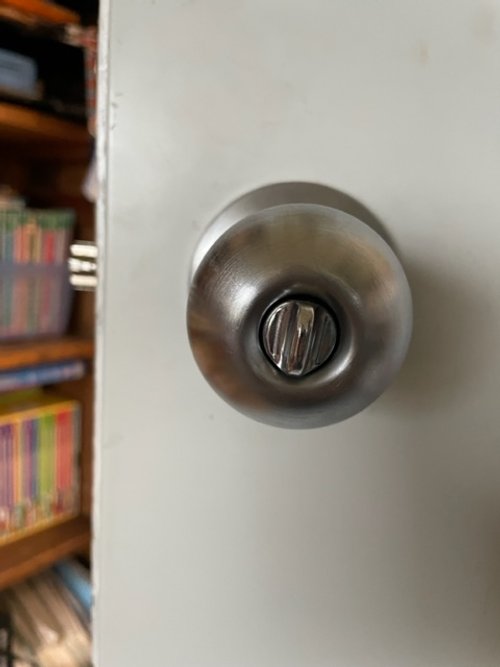
Close-up of a silver door knob with a lock on a white door. Part of a bookshelf with books is visible in the background.
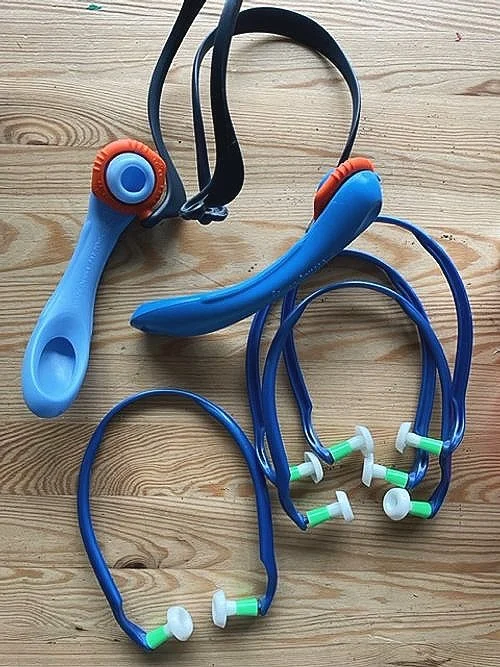
A child's toy telephone and multiple sets of children's headphones on a wooden floor.

Priority 1: Enhancing the accessibility of access to learning:

Table outlining objectives and actions for improving teacher design lessons, communication, and accessible resources.
Table with educational strategies and recommendations for accessible learning, teacher training, homework methods, and school website development.

Priority 4: Assess physical and architectural environment accessibility:

Table comparing objectives and actions for improving accessibility and learning spaces in schools.

Priority 2: Increase awareness on training and assistive and adaptive supports and resources:

Table with two columns titled 'Objectives' and 'Actions'. Objectives include increasing awareness of assistive technology for students with disabilities and providing access and training for technology tools. Actions include reviewing technology needs, staff training, professional development, and a technology implementation plan.

Priority 3: Ensure policies and practices align with the principles of accessibility, and to address any identified gaps in staff training or knowledge on accessibility needs:

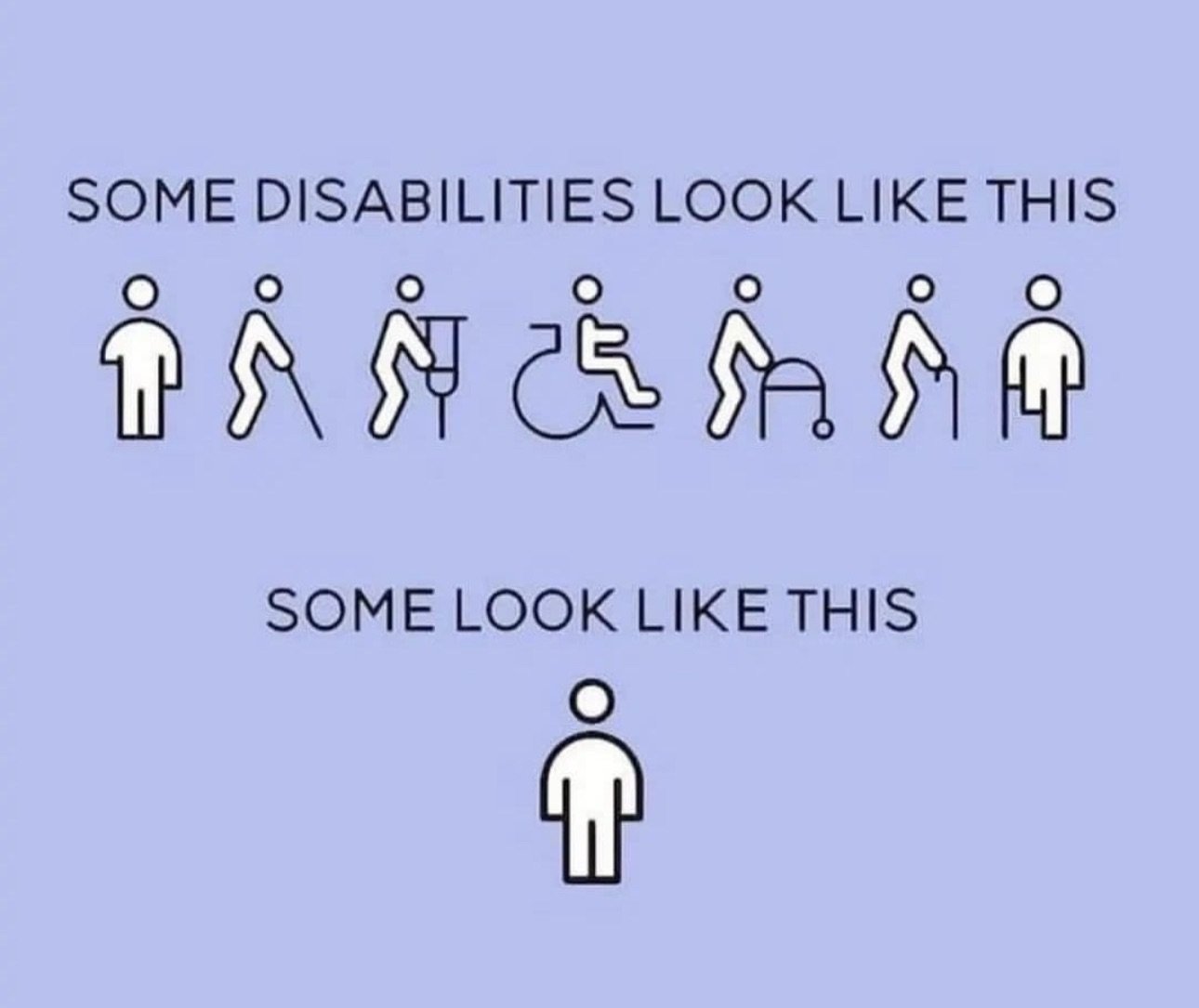
Table with objectives and actions for accessibility practices in schools. Objectives include summarizing current accessibility practices, identifying areas for staff training, and developing emergency plans for people with disabilities. Actions include conducting audits, providing information, developing training priorities and plans, and creating evacuation procedures.
Illustration comparing disabilities: the top row shows various people with disabilities using aids such as a cane, wheelchair, or walker, with the text "Some disabilities look like this." The bottom row shows a single person without aids, with the text "Some look like this."
Icon depicting translation between two languages, with arrows connecting a Chinese character and the letter 'A'.